
A new collaborative project from some of Japan’s most recognizable creative minds has been announced for current and next-generation platforms. Noroi Ayashi: The ∞th Oddity is a time-loop horror title described as a “stealth action adventure” with a specific focus on RTA (Real Time Attack) mechanics, commonly known as speedrunning.
The project is a high-profile collaboration between Sohei Niikawa, the creator of the long-running Disgaea strategy RPG series, and Rensuke Oshikiri, a horror mangaka widely known for Hi Score Girl and Sayuri. The title is slated for release on the Nintendo Switch, PC via Steam, and notably, the successor to the Nintendo Switch.
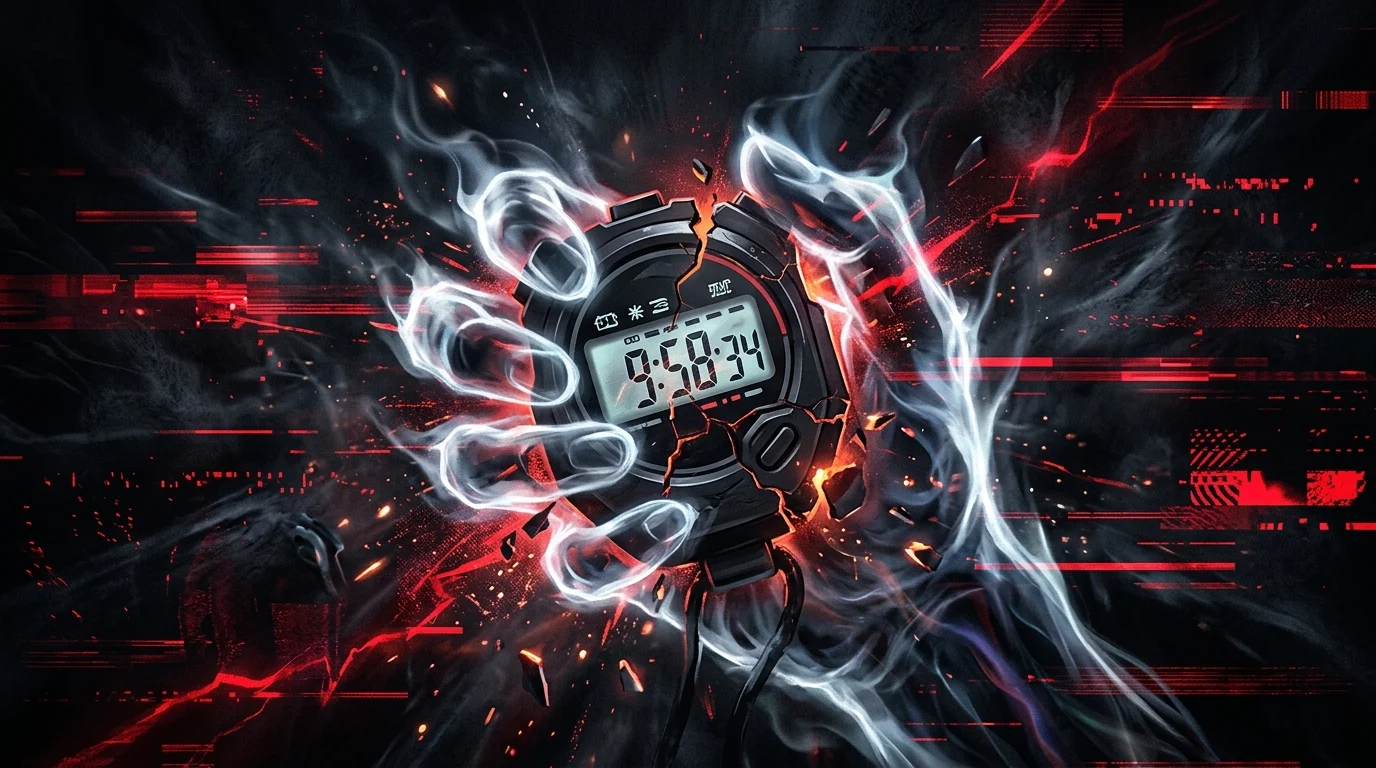
Unlike traditional slow-burn horror titles, Noroi Ayashi integrates a death-loop system designed around optimization and repetition. The gameplay loop is structured such that surviving the initial playthrough is intended to be impossible for players. Instead, they must utilize knowledge gained from successive “loops” to progress through the environment and evade threats.
The game utilizes an isometric perspective, a stylistic choice that departs from the first-person or over-the-shoulder views common in modern horror. Players are tasked with “sealing” seven distinct school mysteries, navigating the environment while managing the stealth and action elements that define the experience.
The inclusion of RTA mechanics suggests that the game will incentivize players to find the most efficient paths through the supernatural obstacles. In Japanese gaming culture, RTA refers to the practice of completing a game as quickly as possible under real-time constraints, a subculture that Niikawa and Oshikiri appear to be targeting with this “speedrun-focused” horror design.
While specific technical differences between the original Switch version and the version for the Nintendo Switch successor have not been detailed, the game represents one of the first major horror announcements to explicitly target Nintendo’s upcoming hardware alongside established platforms. The project brings together Oshikiri’s distinctive horror aesthetics with Niikawa’s experience in deep, systems-heavy game design.


