
A Reddit user identified as deadmanwonderland_23 reported receiving four MSI GeForce RTX 5070 Ti 16G Frieren Edition OC graphics cards after ordering just a single unit from Walmart. The order, which was secured at a sale price of $1,099, resulted in the delivery of hardware with a total market value of approximately $5,036.
The specific model received is a limited-edition collaboration that typically retails for $1,259 per unit. While fulfillment errors are common in high-volume e-commerce, receiving a four-fold increase in high-end PC hardware represents one of the most significant consumer shipping windfalls of the year, with the three additional cards holding a combined value of roughly $3,777.
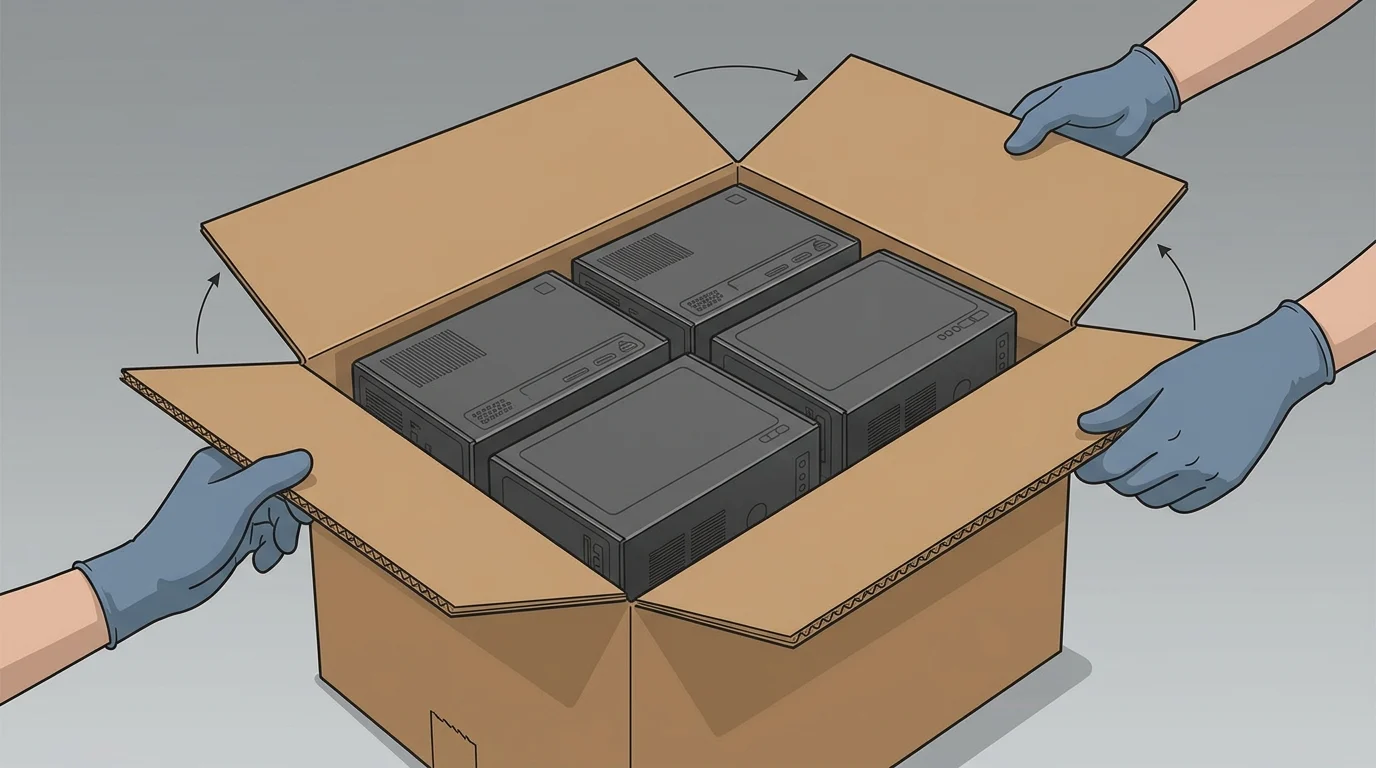
The error likely originated from a “Master Carton” logistics oversight. In the electronics industry, manufacturers often ship individual retail boxes to retailers in larger shipping containers known as master cartons, which typically hold four units. Fulfillment center staff are expected to open these cartons and scan individual retail units for customer orders.
In this instance, the oversized nature of the Frieren Edition packaging may have contributed to the confusion. Because this specific edition includes a physical throw blanket inside the box, the individual retail packaging is significantly larger and heavier than a standard GPU box. A warehouse picker or an automated weight-sensor system may have mistaken the master carton for a single, bulky retail unit of the special edition card.
The incident has sparked significant discussion among the enthusiast community. Many users questioned whether the retailer could legally demand the return of the extra units or charge the customer’s credit card for the difference.
However, Walmart’s official “Missing or Incorrect Items” policy explicitly states that if a customer receives items they did not order, they are permitted to “keep or dispose” of them. This aligns with Federal Trade Commission (FTC) guidelines in the United States, which generally treat unordered merchandise sent by a business as a gift to the consumer. These protections were designed to prevent companies from shipping unsolicited goods and then demanding payment.
This fulfillment error stands in contrast to other recent shipping issues reported by PC builders, who have increasingly documented receiving incorrect items such as rocks, bricks, or inexpensive backpacks in place of expensive GPUs. In this case, the logistics breakdown worked entirely in the buyer’s favor, providing enough hardware to outfit multiple high-end gaming rigs for the price of one.


