
Intel’s next-generation “Nova Lake” processors have passed critical regulatory hurdles, signaling that the platform is moving toward its final validation phases. Recent filings confirm that the Core Ultra 400-series has cleared compliance testing with both the USB Implementers Forum (USB-IF) and the PCI Special Interest Group (PCI-SIG).
The certification marks a significant milestone for the Nova Lake architecture, which is expected to represent a major platform shift for Intel. According to reporting from Tom’s Hardware, the Nova Lake PCH-S desktop chipset (identified as ID 6E6E) has specifically been certified for USB 3.2 Gen 2. These compliance milestones typically precede the start of mass production, which is currently scheduled for the fourth quarter of 2026.
A New Socket and 18A Manufacturing
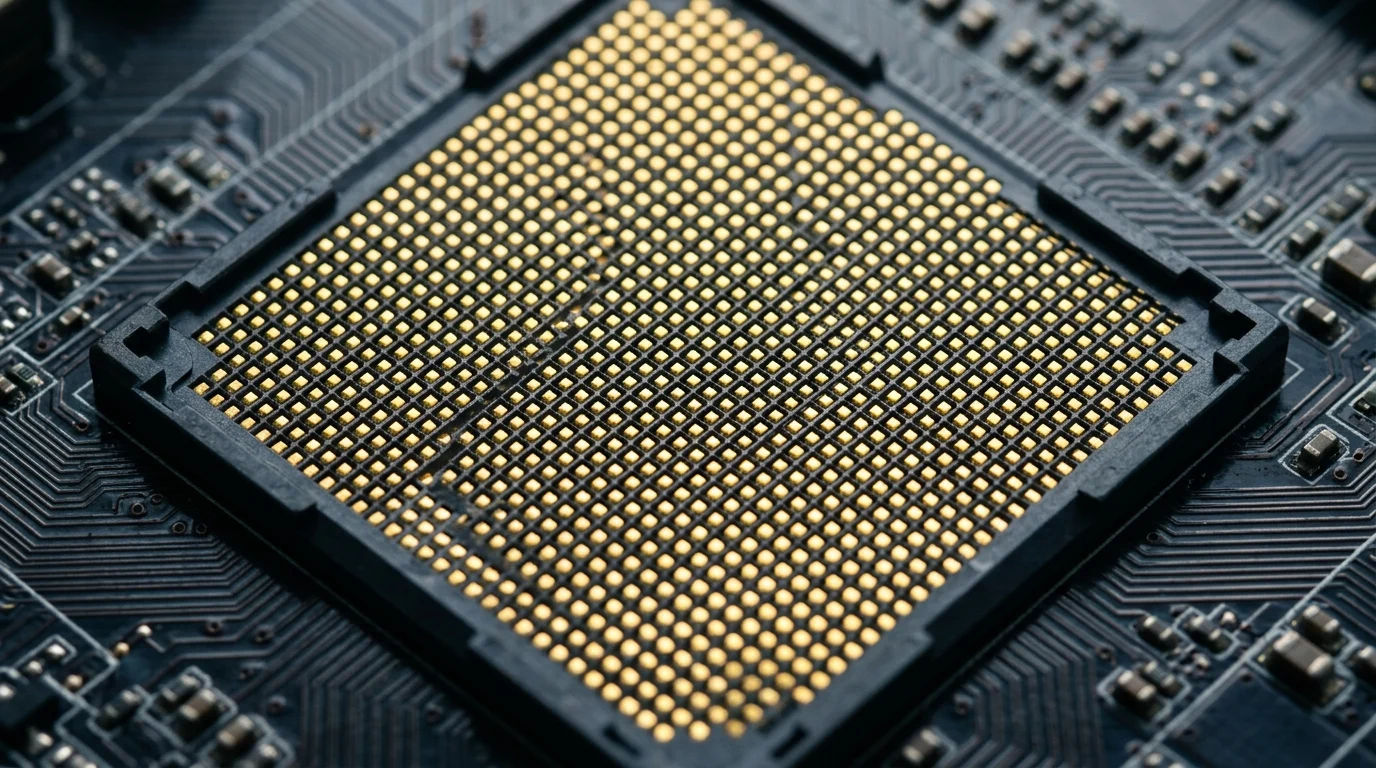
Nova Lake is built on the Intel 18A process node, a cornerstone of the company’s long-term manufacturing roadmap. The architecture will feature new Coyote Cove Performance cores (P-cores) and Arctic Wolf Efficiency cores (E-cores). To support these changes, Intel is introducing the LGA 1954 socket, which will replace the LGA 1851 socket utilized by the Arrow Lake generation. This transition necessitates new 900-series chipsets, likely to be marketed as the Z990 and Z970.
A key technical feature reported for the platform is the “big Last Level Cache” (bLLC). This technology, which could reportedly reach up to 288MB, is widely viewed as Intel’s strategic response to AMD’s 3D V-Cache, designed to improve performance in cache-sensitive applications like gaming.
Staggered Launch and Core Counts
While mass production is slated for late 2026, the retail rollout is expected to be staggered throughout 2027. Initial Nova Lake-S desktop models, featuring up to 28 cores, are projected to launch in the first quarter of 2027. These early SKUs will likely target the mainstream and enthusiast markets.
The platform’s high-end flagship, a reported 52-core model, is not expected until later in the year. Current projections suggest this high-core-count variant will arrive between mid-to-late 2027, potentially serving as a bridge between mainstream desktop and high-end desktop (HEDT) performance tiers.

The PCI-SIG compliance also ensures that the Nova Lake platform will continue to support PCIe 5.0 standards, maintaining parity with modern high-speed storage and graphics requirements. While the desktop chipset certification specifically mentions USB 3.2 Gen 2, the broader platform remains the center of Intel’s effort to regain architectural leadership through its 18A node and a overhauled cache hierarchy.


