
ASRock’s TempGuard technology, a safety feature designed to prevent catastrophic hardware failure by monitoring cable temperatures, failed to stop a 12V-2×6 connector from melting on a high-end workstation rig. The incident involved an ASRock Taichi TC-1650T power supply and an NVIDIA RTX PRO 6000 Blackwell workstation GPU, a professional-grade card currently valued at approximately $16,000 due to ongoing GDDR7 memory shortages.
According to reports of the failure, the 16-pin connector experienced a meltdown specifically on the power supply side rather than at the GPU interface. While the workstation’s power supply and the modular cable sustained significant heat damage, the RTX PRO 6000 Blackwell reportedly survived the event. This marks the second reported incident involving this specific GPU and PSU pairing, following a similar case in March 2026 where a cable scorched on the GPU-facing side.
The TempGuard Blind Spot
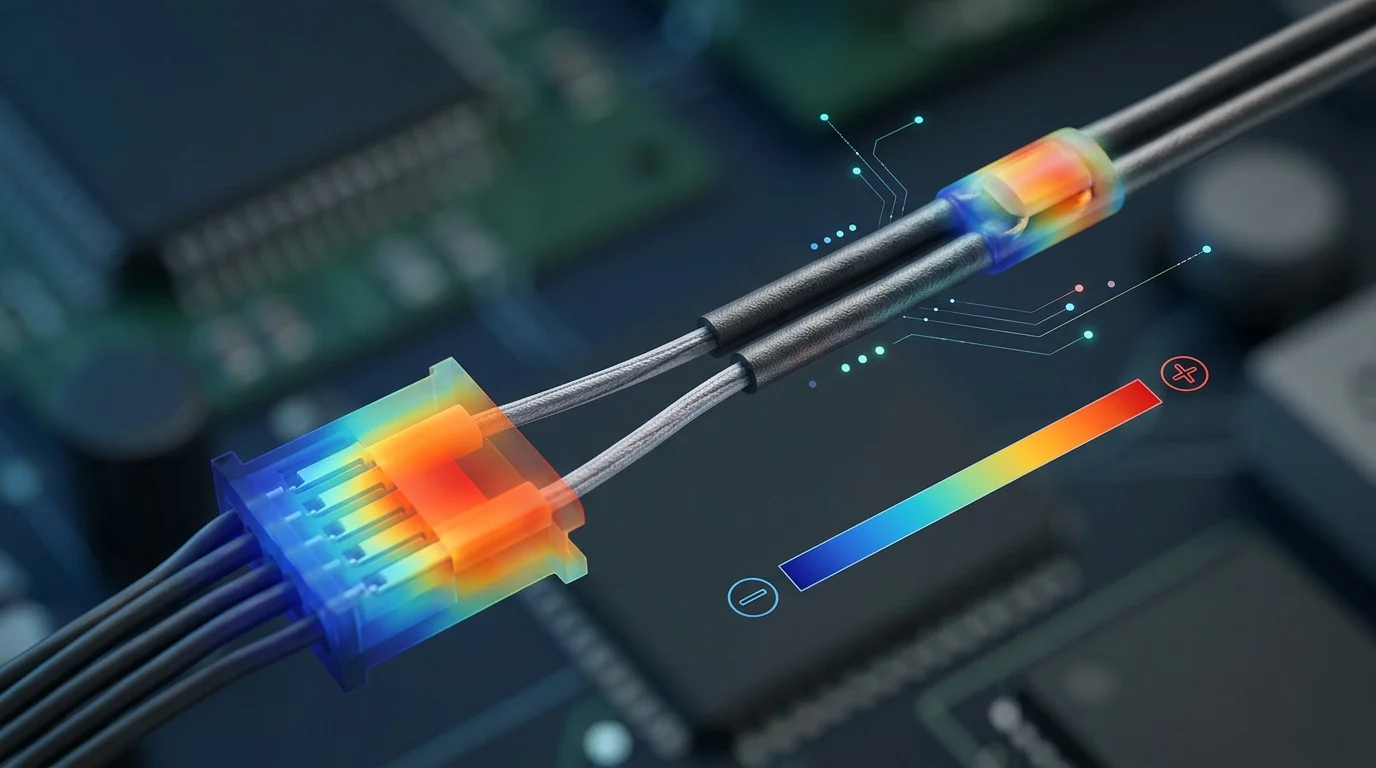
The failure has drawn technical scrutiny toward ASRock’s TempGuard system. The safety mechanism utilizes a Negative Temperature Coefficient (NTC) sensor embedded within the 12V-2×6 cable. It is programmed to trigger an emergency system shutdown if temperatures reach a threshold between 105°C and 110°C. In this instance, the sensor failed to cut power before the plastic housing deformed and melted.
Technical analysis suggests the failure may stem from the physical placement of the NTC sensor. Technicians reporting on the hardware noted that the sensor is mounted on the ground line side of the connector rather than the 12V power pins. This configuration creates a potential “thermal lag” or blind spot; if localized resistance heating occurs on the 12V pins due to poor contact or a partial plug-in, the heat may not migrate across the connector to the ground-side sensor fast enough to trigger a shutdown before the plastic reaches its melting point.
This outcome stands in contrast to previous performance benchmarks for the safety feature. In December 2025, the TempGuard system was credited with preventing a meltdown on a heavily overclocked RTX 5090 drawing over 1,300W. That success suggested the system was robust under extreme loads, yet the current workstation failure indicates it may be less effective at detecting the specific heat signatures of high-resistance contact issues.
Market and Warranty Implications
The survival of the GPU is a critical detail for the affected user, as the RTX PRO 6000 Blackwell has seen its market price climb roughly 87% since its initial launch in early 2025. With current retail prices hovering around $16,000, a total loss of the card would have represented a significant financial hit for a professional studio or research environment.
The incident raises questions regarding ASRock’s future cable iterations and whether the NTC sensor placement will be revised to better monitor the 12V lines directly. While the Taichi TC-1650T is marketed as a premium, high-wattage solution for workstations, the recurrence of connector-related issues with professional Blackwell cards suggests a lingering compatibility or design tension between high-draw workstation hardware and current 16-pin power delivery standards.


