
NVIDIA is reportedly preparing to expand its Blackwell desktop lineup by introducing a secondary variant of the GeForce RTX 5070. While the standard model is built around the GB205 silicon, GeForce RTX 5070 rumors suggest a new version will utilize the significantly larger GB203 die, a move that typically signals an effort to maximize manufacturing yields through a process known as die harvesting.
The practice of “down-binning” larger chips for lower-tier graphics cards allows manufacturers to utilize silicon that may have minor defects in areas required for high-end models like the RTX 5080. By disabling the malfunctioning or excess clusters, NVIDIA can repurpose the chip to meet the specifications of a mid-range card. This approach is not unprecedented; earlier in 2026, the RTX 5060 saw a similar transition when some units shifted from the native GB206 die to a harvested GB205 variant.
Technical Shifts and Manufacturing Efficiency
The physical difference between the two dies is substantial. The native GB205 die measures approximately 263 mm² and houses 31.1 billion transistors. In contrast, the GB203 die is much larger at 378 mm² with a transistor count of 45.6 billion. To make the larger chip fit the RTX 5070 profile, NVIDIA would reportedly need to disable a significant portion of its core count to match the standard 6,144 shader configuration.
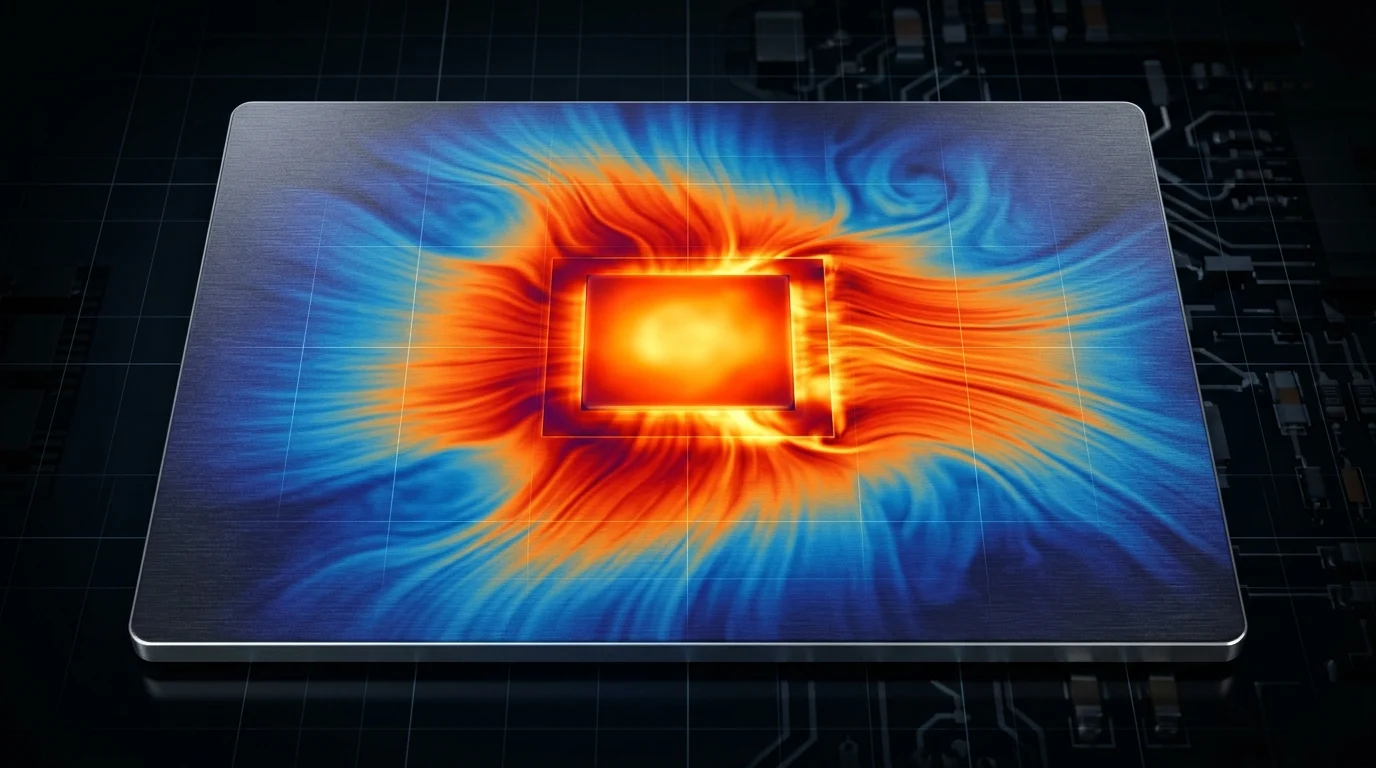
Despite the change in the underlying silicon, the consumer-facing performance is expected to remain identical. Reports indicate the GB203-based variant will retain the standard 192-bit memory bus and 12 GB of GDDR7 memory. One potential side effect of using a larger physical die is improved thermal dissipation, as the heat generated by the active components is spread across a larger surface area, though power consumption targets usually remain locked to the original SKU specifications.
Driver Support and Timing
The timing of this hardware revision coincides with upcoming software milestones. Leakers have suggested that a new NVIDIA driver is scheduled for release on September 9, 2026, which may provide the necessary IDs to support the new hardware variant. This update arrives just before a significant transition for legacy users; NVIDIA has confirmed it will end regular Game Ready Driver updates for Windows 10 in October 2026.
For enthusiasts and system builders, identifying which die is inside a specific card usually requires looking at the GPU-Z identification or physically removing the cooler to inspect the laser-etched code on the silicon. However, since the clock speeds and memory configurations are mandated to stay within the 5070’s official spec, the “upgrade” to the larger GB203 die is primarily a back-end logistics solution rather than a performance-tier shift.


