
The Tokyo Game Show 2026, which was set to be the longest in the event’s 30-year history, has concluded early after organizers canceled the final day of festivities. The decision to scrap the Monday, September 21 session came as Typhoon Dujuan (Typhoon No. 25) bore down on the Kanto region, forcing a retreat from what was intended to be a record-breaking five-day experiment.
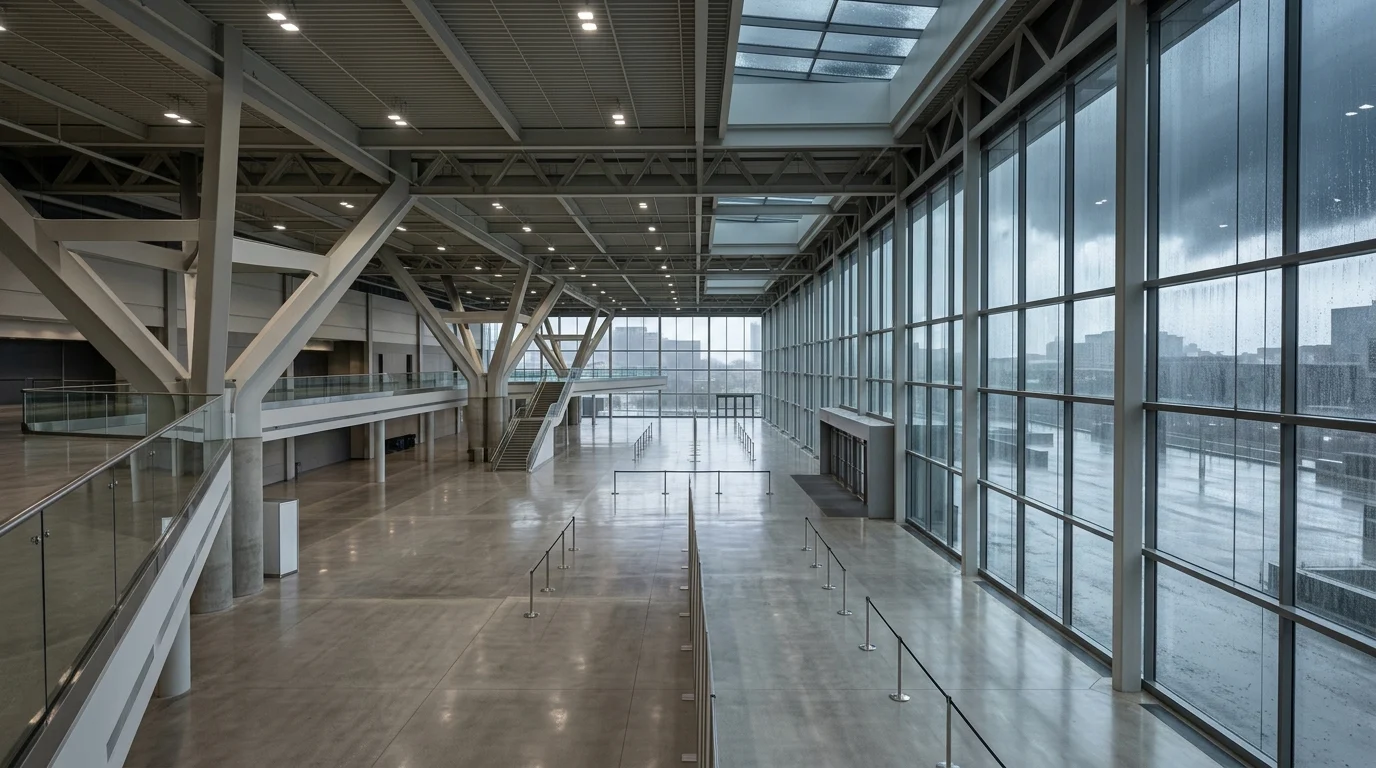
Organizers confirmed that all scheduled activities for Monday at the Makuhari Messe convention center were suspended to ensure the safety of attendees and staff. This marks the first time in the three-decade history of the Tokyo Game Show that a day has been canceled after the event had already commenced. While the 2026 show carried the theme “The Longest Five Days of Nonstop Play,” nature ultimately shortened the event back to its traditional four-day duration.
Travel Chaos and Regional Impact
The cancellation coincided with severe disruptions across Japan’s transportation network. According to the Japan Meteorological Agency, Typhoon Dujuan was expected to dump up to 300mm of rain across the Kanto region. The impending storm triggered a massive wave of travel cancellations during the “Silver Week” holiday period.
All Nippon Airways (ANA) and Japan Airlines (JAL) reported canceling more than 275 domestic and international flights combined for September 21. Rail travel was similarly hampered, with JR East suspending operations on the Kururi, Uchibo, and Sotobo lines.
The gaming convention was not the only major event affected by the weather. The Rock in Japan Festival also canceled its final day, while equestrian eventing for the Asian Games Aichi-Nagoya 2026 faced postponements. The cumulative effect of these cancellations has left thousands of travelers and exhibitors scrambling to rebook flights and secure equipment that remains stuck at the convention site.
Digital Shifts and Final Attendance
Despite the physical closure, several major exhibitors moved to salvage their planned announcements. Companies such as Konami transitioned their scheduled stage events to digital streaming formats, allowing fans to watch reveals from the safety of their homes. This shift highlights a growing trend where major gaming showcases are increasingly designed to be “hybrid” events capable of surviving physical venue disruptions.
For those who held tickets for the canceled Monday session, organizers have announced that full refunds will be issued. The Computer Entertainment Supplier’s Association (CESA) is processing these through official channels, though international travelers who purchased through third-party agencies may face more complex recovery processes.
The early closure significantly impacted the show’s final data. Beyond the numbers, the mood among exhibitors was mixed; while many lamented the lost marketing opportunities, some staff reportedly expressed relief at the early end, citing “exhibitor fatigue” from what would have been an unprecedented five-day marathon.
Whether the Tokyo Game Show will attempt another five-day format in 2027 remains unclear, as the 2026 disruption serves as a reminder of the vulnerability of large-scale autumn events during Japan’s intensifying typhoon season.


